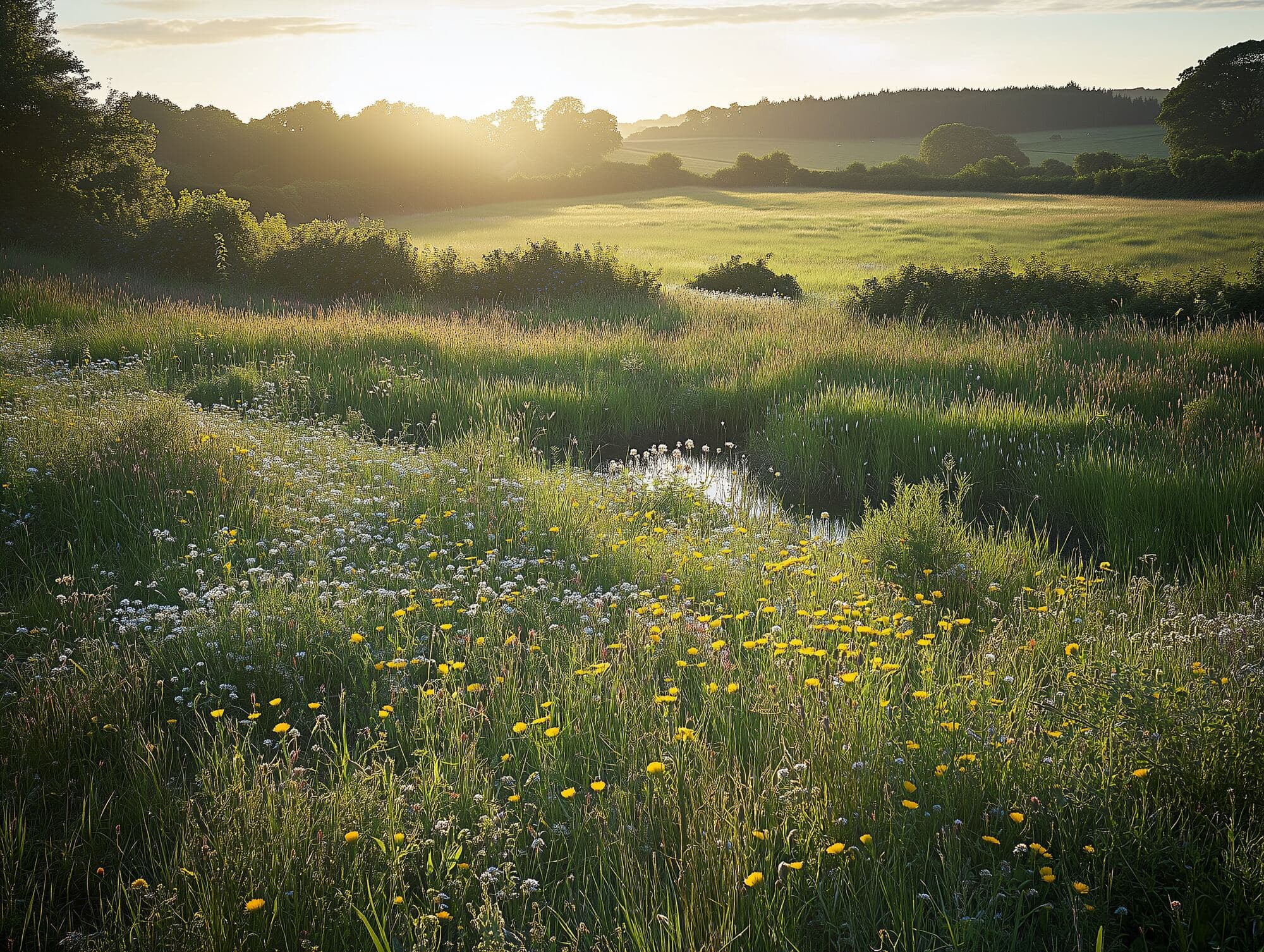
South Downs landscape in West Sussex at golden hour
Ecological consultancy · Sussex, UK

Sussex ecology, done right.

An experienced consultancy delivering protected species surveys, Biodiversity Net Gain and pragmatic ecological advice across West Sussex, Surrey, Hampshire, Kent and the wider South East — from preliminary appraisal through to licensing and mitigation.

CIEEM Registered20+ Years in PracticeBNG SpecialistsPhase 1 & 2 SurveyseDNA AnalysisSussex · UKCIEEM Registered20+ Years in PracticeBNG SpecialistsPhase 1 & 2 SurveyseDNA AnalysisSussex · UK
LPA experience

Built with the planner in mind.

We bring practical Local Planning Authority experience to every project, giving us a grounded understanding of the planning context in which ecology work sits. Our reports pre-empt the questions case officers actually ask, and our recommendations are written to hold up first time.
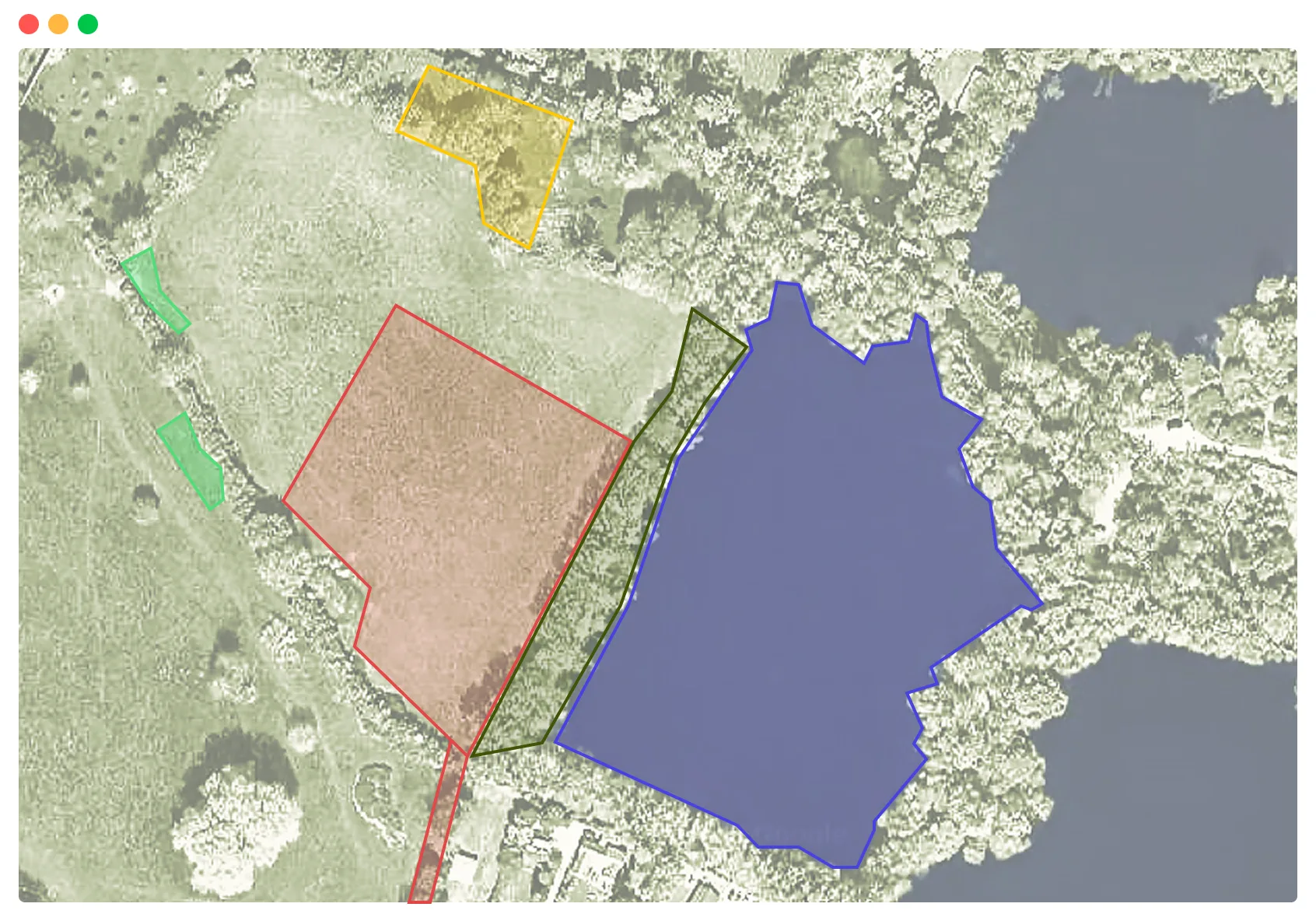
Aerial view of a site near Pulborough with ecological survey area overlays
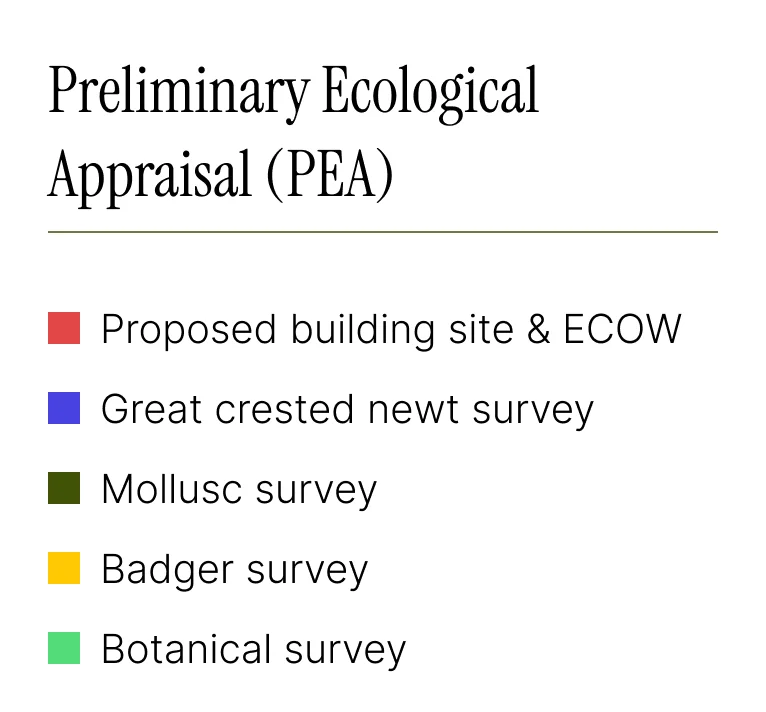
Preliminary Ecological Appraisal survey key
Our services

Project complete. Nature preserved.

Two decades in the field. Every survey backed by specialist ecological expertise and every report written to hold up under planning scrutiny, from first-stage appraisal through to licensing, mitigation and net gain.

Specialist work

Where deeper expertise is required.

Many of our specialisms are unusually rare in the UK consultancy market. We have particular strength in invertebrates and molluscs, with on-site laboratory identification capabilities.

Frequently asked

Answers to the questions we hear most often.

Can't see your question? Send us a note and we'll come back with a clear answer.

01Do I need an ecological survey for my planning application?+
In many cases, yes. Local planning authorities often require ecological information where a site has the potential to support protected species or priority habitats. A Preliminary Ecological Appraisal (PEA) is usually the first step. It identifies ecological constraints and determines whether any further species-specific surveys are needed to support a planning application.
02What is a Preliminary Ecological Appraisal (PEA)?+
A Preliminary Ecological Appraisal (PEA) is the first stage of most ecological assessments for planning applications. It combines a desk study (reviewing planning records, designated sites, and biological records) with a site walkover survey to assess habitats, identify the potential for protected species, and determine whether any further ecological surveys are required to support your development proposal.
03What is Biodiversity Net Gain (BNG) and do I need it?+
Biodiversity Net Gain (BNG) is a planning requirement in England that requires most developments to leave biodiversity in a measurably better state than before development. In most cases, planning applications must demonstrate a minimum 10% increase in biodiversity value, either on-site, off-site, or through the purchase of biodiversity units. BNG was introduced under the Environment Act 2021 and is now a mandatory requirement for most developments in England.
04When can great crested newt surveys be carried out?+
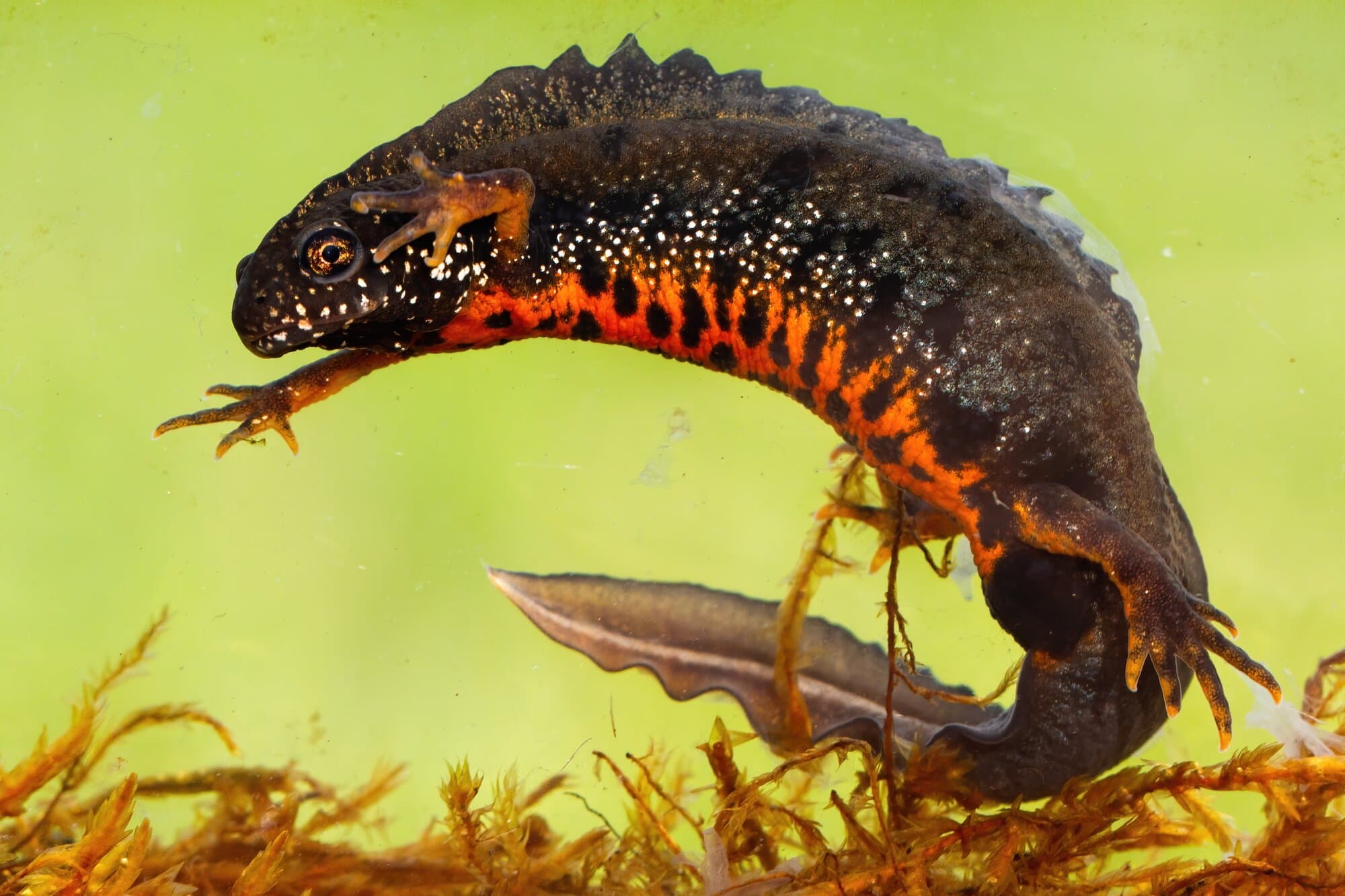
Traditional great crested newt surveys are typically undertaken between mid-March and mid-June, with four survey visits usually required to determine presence or likely absence. Environmental DNA (eDNA) surveys can be carried out between 15 April and 30 June and often provide a faster way to establish whether great crested newts are present in a pond. Early planning is recommended, as missing the survey season can delay planning applications until the following year.
05When can bat surveys be carried out?+
Preliminary Roost Assessments (PRAs) can be undertaken throughout the year. If further surveys are required, dusk emergence surveys of buildings and trees, as well as bat activity surveys, are typically carried out between May and September, with the optimal survey period for dusk emergence surveys falling between May and August. Bat hibernation surveys are undertaken during the winter months, usually between December and February. Early assessment is recommended to avoid seasonal survey constraints affecting project timelines.
06What's the difference between a Phase 1 and a Phase 2 survey?+
A Phase 1 survey (now commonly referred to as a Preliminary Ecological Appraisal or PEA) is a broad habitat assessment that identifies ecological constraints and the potential for protected species on a site. Phase 2 surveys are targeted, species-specific surveys carried out where Phase 1 findings indicate potential presence, such as bat surveys, great crested newt surveys, or reptile surveys.
07How long does an ecological survey take?+
Turnaround depends on the survey type and the time of year. A Preliminary Ecological Appraisal (PEA) report is typically completed within around one month of the site visit, allowing time for receipt and review of Local Records Centre data and other supporting ecological information. Protected species surveys are constrained by seasonal survey windows and ecological requirements, which can also influence programme timescales.
08What is eDNA testing for great crested newts?+
Environmental DNA (eDNA) testing detects the presence of great crested newts (GCN) from genetic material left in pond water. A single water sample, analysed in a Natural England-approved laboratory, can indicate whether GCN are likely to be present in or using the pond. It is a faster, less invasive alternative to traditional survey methods such as bottle trapping, egg searching, and torchlight surveys.
09Do you handle European Protected Species (EPS) licence applications?+
Yes. We prepare and submit European Protected Species (EPS) licence applications to Natural England for a range of protected species, including all associated supporting documentation such as method statements, reasoned statements, and post-licence compliance monitoring.
10Do you work outside Sussex?+
Yes. Our head office is in Pulborough, West Sussex, but we work across South East England. Share your site postcode, red line boundary and a short project description, and we'll come back with a clear scope, indicative timescales and a fixed quote.
Get in touch

Have a site that needs surveying?

Tell us about the project. We'll come back with a clear scope, timing and a fixed quote.